

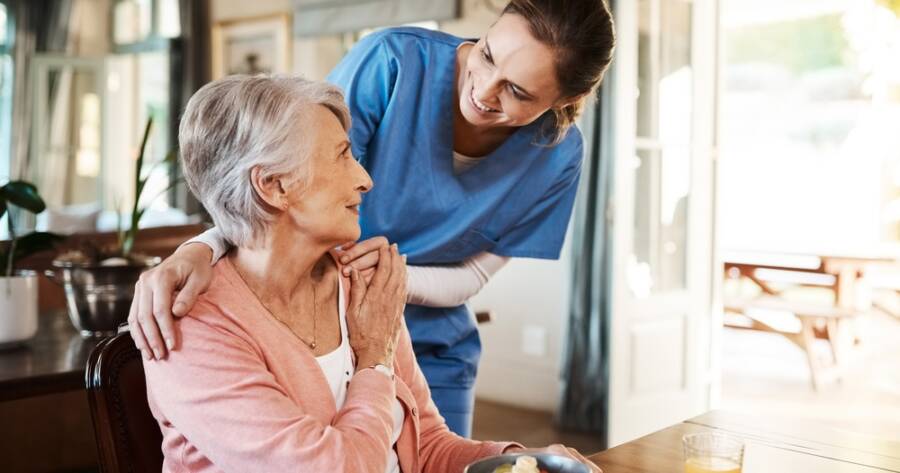
Embarking on a caregiving career serves as a gateway to the healthcare sector, perfect for those with compassion and a desire to help others. The field presents accessible entry points with roles like Home Health Aide, offering essential daily support. As caregivers advance, opportunities for specialization and professional growth emerge, reflecting diverse roles catering to various client needs.
Starting a Career as a Caregiver
Embarking on a career in caregiving offers a unique pathway into the healthcare sector, particularly suited for individuals driven by compassion and a desire to support others. This field provides a foundational experience that opens doors to various professional growth opportunities.
For those new to caregiving, roles such as Home Health Aide (HHA) or Personal Care Aide (PCA) serve as accessible entry points, often requiring minimal certification. Home Health Aides, for example, assist with essential daily tasks like bathing and meal preparation, offering companionship under a registered nurse’s supervision.
Advancing in the Caregiving Profession
The caregiving profession is not only about providing care but also about continuous personal and professional development. Starting as a caregiver can be the first step towards more advanced roles such as a Certified Nursing Assistant (CNA). CNAs are tasked with more complex responsibilities like taking vital signs and assisting with patient mobility, typically requiring completion of a state-approved training program and certification exam.
Beyond this, transitioning to roles like a Certified Medication Aide (CMA) or a Licensed Practical Nurse (LPN) involves additional training and offers possibilities for higher wages and responsibilities. These pathways reflect how experience as a caregiver forms a valuable foundation for further specialization in healthcare across various settings.
The Diverse Roles Within Caregiving
The caregiving sector encompasses a wide range of specialized roles, catering to different client needs. For instance, Hospice Caregivers provide crucial support for patients with terminal illnesses, often focusing on pain management and emotional support, highlighting the importance of strong emotional resilience in end-of-life care.
Live-In Caregivers offer continuous care by residing with their clients, suitable for seniors or those with chronic conditions. Memory Care Specialists work specifically with individuals with cognitive disorders, requiring specialized training to ensure effective care. These diverse roles allow caregivers to find a niche that best suits their skills and preferences, offering both professional growth and personal fulfillment.
Skills and Qualities of a Successful Caregiver
Successful caregivers possess a blend of skills and qualities that enable them to deliver high-quality care. Effective communication is paramount, allowing caregivers to understand their clients and build trust. This involves active listening and maintaining open lines of communication with family caregivers to ensure comprehensive care delivery. Empathy and patience are also crucial, particularly when dealing with clients facing physical or mental challenges, as they help create a supportive and healing environment.
Training and Professional Development
Caregivers are encouraged to engage in ongoing professional development to stay current with caregiving techniques and medical advancements. Workshops and online courses offer valuable opportunities to update skills and knowledge, ensuring that caregivers deliver the best care possible.
Additionally, organizations like Home Instead emphasize the importance of training and support as integral parts of a caregiver’s career, underscoring their commitment to enhancing the capabilities and well-being of their staff.
Learn More About Starting a Career as a Caregiver
A career in caregiving not only offers the opportunity to make a significant difference in the lives of others but also provides a rewarding professional path with numerous growth prospects. Whether one aims to eventually become a Registered Nurse or simply desires to provide compassionate care in a supportive environment, the caregiving field offers the resources and flexibility to meet these professional aspirations.
Engaging in this career can be particularly gratifying for those who value personal interaction and the chance to empower and support clients in achieving a better quality of life.