

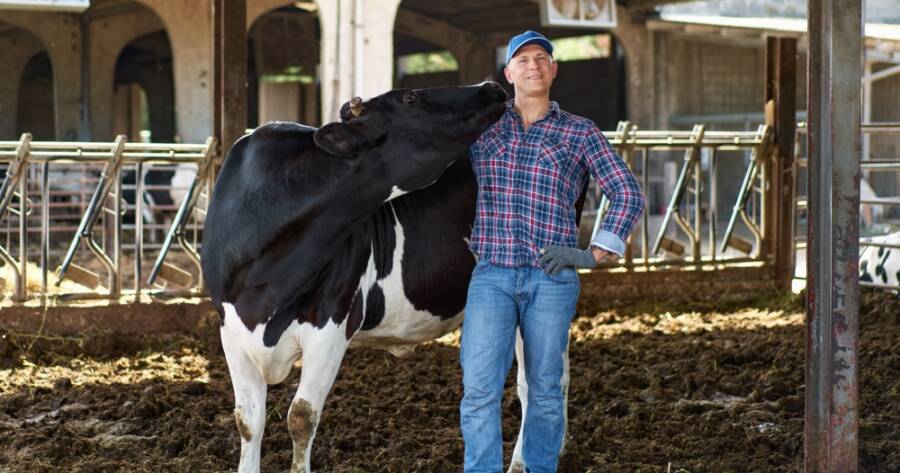
Farm labor is the backbone of the agricultural industry, encompassing a variety of essential tasks that ensure the smooth operation and sustainability of farms. From planting and harvesting to machinery operation and livestock care, key roles are crucial for maintaining the food supply chain. It’s important to understand the diverse responsibilities, work conditions, and career opportunities within the vital sector.
Understanding Farm Labor Roles and Responsibilities
Farm labor is a critical component of the agricultural industry, encompassing a wide range of tasks essential for the productivity and sustainability of farms. Farm workers are responsible for planting, harvesting, caring for livestock, and operating machinery, ensuring that agricultural operations run smoothly and efficiently (source). These roles are vital for maintaining the health of crops and livestock, which in turn supports the broader food supply chain.
Key Responsibilities of Farm Workers
The responsibilities of farm workers are diverse and demanding. They include preparing and maintaining farmland, planting and harvesting crops, and caring for livestock.
Additionally, farm workers operate and maintain farm equipment, perform general maintenance on farm structures, and adhere to safety protocols and environmental regulations to ensure a safe and sustainable farm environment (source). These tasks require a combination of physical stamina, mechanical skills, and a keen attention to detail.
Work Environment and Conditions
Farm workers typically work outdoors in various weather conditions, often exceeding 40 hours per week. The work can be physically demanding and potentially hazardous due to exposure to pesticides and machinery (source). Despite these challenges, the role offers a unique opportunity to work closely with nature and contribute to the agricultural sector’s success.
Entry Requirements and Training
Most farm labor roles do not require formal education, although some positions, such as animal breeders, may require a high school diploma. Workers usually receive on-the-job training, and certain roles may necessitate a valid driver’s license or pesticide applicator license (source). This accessibility makes farm labor an attractive option for individuals seeking employment in agriculture without extensive educational prerequisites.
Compensation and Job Outlook
The median annual wage for agricultural workers is about $35,980. Although employment in this sector is projected to decline by 3% from 2024 to 2034, there will still be significant job openings due to workforce turnover (source). Technological advancements, such as mechanization, are expected to increase demand for agricultural equipment operators, offering new opportunities within the industry.
Advancement Opportunities in Farm Labor
Farm workers can advance to supervisory roles or transition into positions such as farmers, ranchers, or agricultural managers. Bilingual skills in English and Spanish can be advantageous for career progression. Additionally, gaining experience and skills in farm management can open doors to more specialized roles within the agricultural sector.
Why You Should Learn More About Farm Labor Today
Understanding the roles and responsibilities of farm labor is crucial for anyone interested in the agricultural industry. Farm workers play a vital role in ensuring the productivity and sustainability of farms, contributing significantly to the food supply chain. By learning more about farm labor, individuals can appreciate the hard work and dedication required to maintain agricultural operations and explore potential career opportunities within this essential sector.