

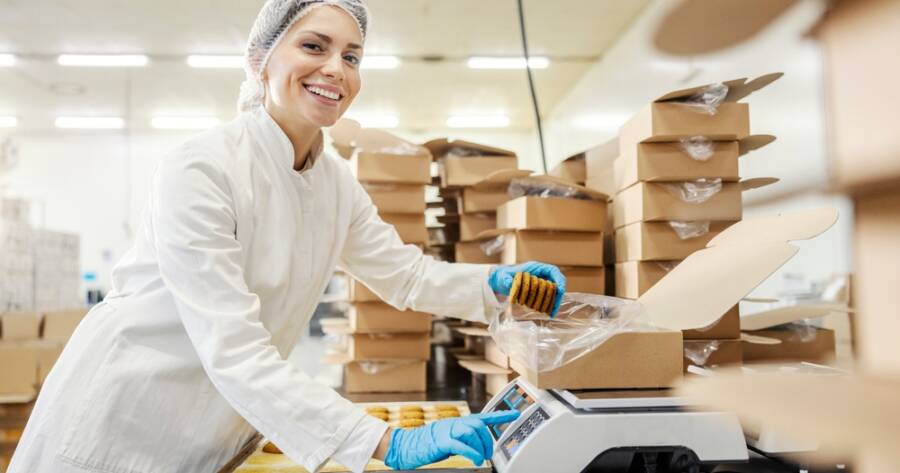
Food packing jobs are pivotal in the food industry, ensuring products are safely packaged for distribution. Most roles demand meticulous attention to detail, teamwork, and specific skills, often in challenging environments. With the industry poised for growth, understanding top positions offers valuable insights into career opportunities and advancement within the sector.
Understanding Food Packing Jobs
Food packing jobs are essential roles within the food industry, responsible for ensuring that food products are safely and efficiently packaged for distribution. These roles involve a variety of tasks, including cleaning packaging materials, loading items into containers, and ensuring that all products are weighed and labeled accurately. This meticulous process is crucial for maintaining the quality and safety of food products as they move through the supply chain (source).
Roles and Responsibilities
Food packers play a vital role in the food packing industry. Their primary responsibilities include ensuring the sanitation of manufacturing equipment, picking and packing orders for shipment, and organizing food products into bags or boxes for distribution. They work in teams to ensure efficiency and may be required to work overtime and weekends due to business needs (source).
Additionally, food packers are responsible for performing final checks for defective items, discarding any that do not meet company standards. This ensures that only quality products reach the loading area or inventory (source).
Skills and Qualifications
To excel in food packing jobs, individuals need a specific set of skills and qualifications. Desired skills include storage, sanitation, proper knife handling, and various food preparation methods. Experience in a fast-paced restaurant environment or as a line cook/prep cook is preferred. Attention to detail, safety awareness, and quality control are essential (source).
A high school diploma or GED is typically required, with emphasis on manual labor skills, communication, and basic math (source). Experience in related fields and certifications can enhance job prospects.
Work Environment and Conditions
Food packers often work in cold environments, such as large refrigerators, and must dress appropriately for temperatures between 30-40 degrees Fahrenheit (source). The role involves physical labor, including standing for prolonged periods, bending, stooping, and lifting objects up to 50 pounds (source).
They work in factories and warehouses, often standing for long periods and using equipment like forklifts, hand trucks, dollies, and box cutters. Safety gear is necessary, especially in environments with hazardous chemicals or cold storage facilities (source).
Career Outlook and Opportunities
The food packaging market is projected to grow significantly, with 10,770 new jobs expected by 2029 (source). Opportunities for advancement include moving into supervisory roles with experience and understanding of warehouse operations.
With experience, food packaging operatives can advance to roles such as supervisor, production line manager, or move into quality control work (source).
Why You Should Learn More About Food Packing Jobs Today
Food packing jobs are a critical component of the food industry, ensuring that products are safely and efficiently prepared for distribution. Understanding the roles and responsibilities, skills required, and work environment can provide valuable insights for those considering a career in this field.
With the industry projected to grow significantly, there are ample opportunities for career advancement and development. Learning more about food packing jobs can help individuals make informed decisions about their career paths and prepare for the demands of this essential industry.