

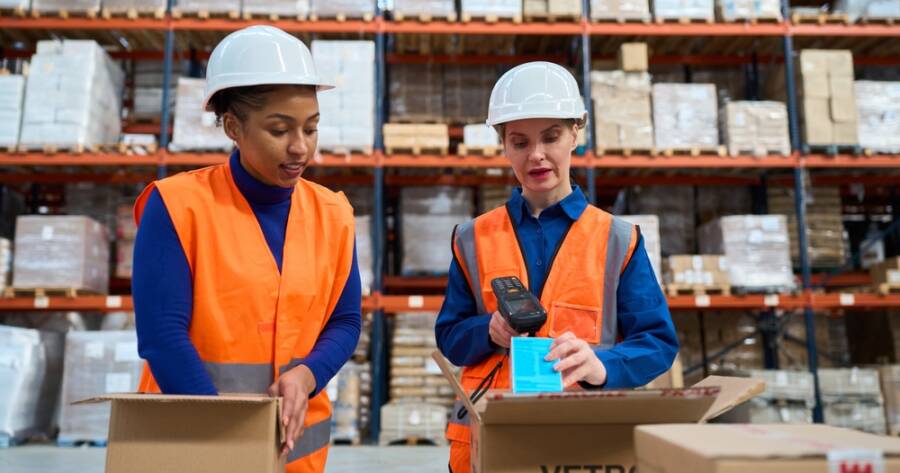
Packing assistants are essential in the logistics and supply chain industry, ensuring products are safely and efficiently prepared for shipment. Entry-level roles demand attention to detail, teamwork, and physical stamina. Understand the key responsibilities, necessary skills, qualifications, and the work environment that define key positions in modern logistics.
The Role of a Packing Assistant
Packing assistants play a vital role in the logistics and supply chain industry, particularly in warehouse centers, drop-ship facilities, and fulfillment centers. Their primary responsibility is to ensure that products are packaged safely and efficiently for shipment.
This entry-level position is crucial for maintaining the flow of goods from warehouses to consumers, requiring individuals who can follow on-the-job training and demonstrate teamwork and dedication (source).
Key Responsibilities and Skills
The daily tasks of a packing assistant include selecting items from inventory, inspecting them for quality, and securely packing them for delivery. They must read order slips or use scanners to select products, inspect items for damage, select appropriate packing materials, wrap and arrange items to prevent movement, seal packages, and apply shipping labels (source). Maintaining a clean packing area and reporting issues like damaged goods or low stock are also part of their responsibilities.
Essential skills for packing assistants include attention to detail, hand-eye coordination, physical stamina, communication skills, and teamwork. These skills ensure orders are packed accurately and safely, adhering to company procedures. Packers must also be able to use hand tools and adhesives to protect packages during transportation and adhere to company safety standards (source).
Qualifications and Training
Typically, a high school diploma or GED is required for a packing assistant role, along with at least one year of experience in a similar position. Experience in roles such as grocery clerk or retail associate, where handling products and maintaining accuracy are key, can be beneficial.
Most packers receive training during onboarding, which includes company packing procedures, use of scanners, and workplace safety standards. Employers may offer additional training or certification programs to enhance skills (source).
Work Environment and Physical Demands
Packing assistants work in fast-paced environments, often as part of a team under the supervision of a Shift Manager. The physical demands of the job include standing for long periods, squatting, twisting, bending, and lifting weights ranging from 10-50 lbs. or more (source). Many warehouses offer reasonable accommodations for individuals with disabilities to perform essential functions.
Compensation and Benefits
In the United States, packing assistants typically earn between $37,680 and $42,000 annually, with variations based on experience, facility type, and location (source). Additional compensation may be available for those working in high-demand warehouses or with overtime. Work hours and benefits can include seasonal work hours, overtime pay, vacation time, healthcare packages, and 401(k) retirement plans, which can be attractive incentives for potential candidates.
Why You Should Learn More About Packing Assistant Roles Today
Understanding the role of a packing assistant is crucial for anyone interested in entering the logistics and supply chain industry. These positions offer a gateway to a stable career with opportunities for growth and advancement.
With the increasing demand for efficient logistics operations, packing assistants are more important than ever in ensuring that products reach consumers safely and on time. Learning more about this role can provide valuable insights into the skills and qualifications needed to succeed in this field, as well as the potential for career development and financial stability.