

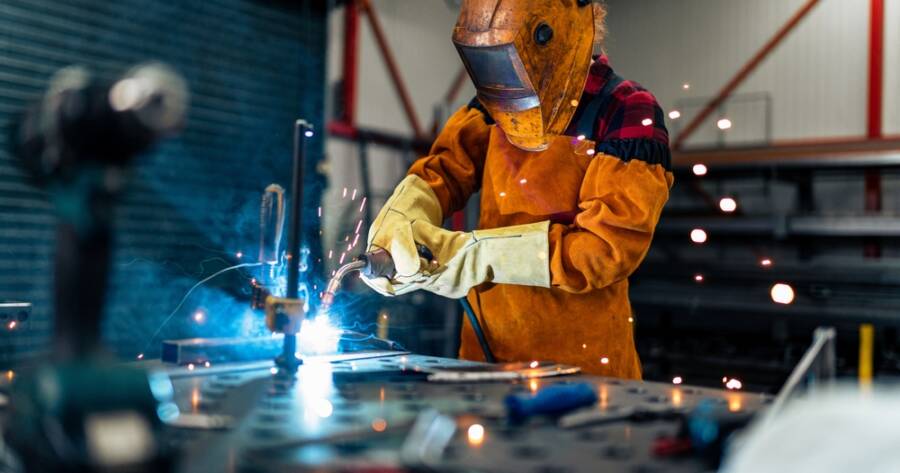
Welding is a hands-on career that combines practical skill, steady demand, and strong earning potential. From construction and manufacturing to infrastructure projects, trained welders play a key role in building and repairing the structures people rely on every day. With accessible training options and clear pathways for advancement, welding can be a smart choice for anyone seeking a stable, skill-based profession.
Entering the Welding Field
Welding is a dynamic and rewarding career path that offers both financial stability and creative satisfaction. The welding sector is a critical part of industries such as construction, manufacturing, automotive production, shipbuilding, aerospace, and infrastructure development. Welders join and repair metal components using specialized equipment and techniques, helping build everything from bridges and pipelines to buildings, vehicles, and industrial machinery. Their work ensures structural strength, safety, and durability in essential projects.
With relatively accessible entry requirements, welding appeals to individuals seeking a hands-on profession with tangible results. The Bureau of Labor Statistics projects a 3% growth in welding careers over the next decade (source). Skilled welders remain essential to maintaining and expanding modern infrastructure.
Essential Qualifications and Training
The journey to becoming a welder typically begins with obtaining a high school diploma or GED. This foundational education provides essential knowledge in math and science, which is crucial for understanding measurements, angles, and blueprints. These skills are vital for anyone entering a welding training program (source).
Enrolling in a reputable welding trade school is the next step. Programs like UTI’s Welding Technology program offer hands-on training and an industry-aligned curriculum developed in collaboration with Lincoln Electric, covering various welding techniques such as GMAW, SMAW, GTAW, and FCAW (source).
Certifications and Career Advancement
Certifications play a crucial role in enhancing a welder’s job prospects. Organizations like the American Welding Society (AWS) offer certifications such as Certified Welder, Certified Welding Inspector, and Robotic Arc Welding, which demonstrate expertise and commitment to the field (source).
In California, for example, industry-recognized certifications such as AWS D1.1, ASME IX, and API 1104 are essential for employment in various industries (source). These certifications not only validate a welder’s skills but also open doors to higher earning potential and career advancement opportunities.
Exploring Career Paths in Welding
The welding industry offers diverse career paths, from entry-level positions like welder and fabrication welder to advanced roles such as certified welding inspector and welding project manager. Specializing in a particular field may require additional certifications, but it allows individuals to pursue their passion within the welding industry (source).
The earning potential for welders in the U.S. varies based on experience, certifications, location, and industry, with average salaries ranging from $40,467 to $82,798 annually (source). Specialized welders, such as those in rig, underwater, or nuclear welding, can earn up to six figures.
Safety and Practical Experience
Safety is paramount in the welding profession. Understanding OSHA Personnel Protection Standards, fire prevention techniques, and proper handling of equipment are essential to reducing accidents and minimizing risks (source).
On-the-job experience is invaluable for welders. Entry-level positions provide opportunities to apply training, refine skills, and learn from experienced professionals, which is essential for career advancement.
Why You Should Learn More About Welding Service Today
Welding is a critical trade in the industrial sector, offering diverse career opportunities in fabrication, construction, and manufacturing. With a projected growth rate and competitive salaries, the welding field presents a promising career path for those interested in hands-on work and problem-solving.
By obtaining the necessary qualifications, certifications, and practical experience, aspiring welders can secure stable and rewarding careers. Continuous education and specialization in advanced welding techniques can lead to higher-paying roles and leadership opportunities, making it an ideal field for those seeking long-term career growth.