

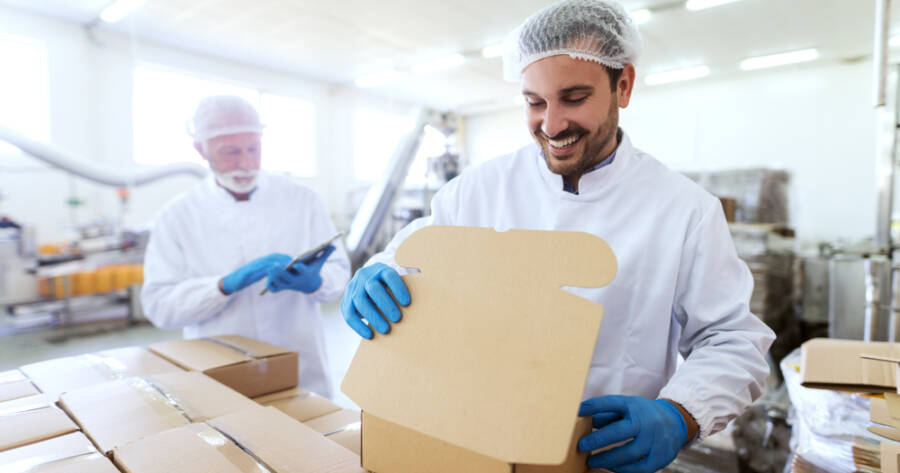
Food packaging is a cornerstone of the food industry, ensuring safety, freshness, and quality from production to consumption. As technological advancements reshape packaging processes, challenges such as regulatory compliance and sustainability emerge. Navigating key dynamics reveals how companies can enhance efficiency, adapt to consumer trends, and maintain worker safety, ultimately shaping the future of food packaging.
The Importance of Food Packaging
Food packaging plays a critical role in the food industry by ensuring the safety, freshness, and quality of food products from production to consumption. It involves designing and producing containers or materials that protect, preserve, and present food products.
This process not only extends the shelf life of food but also aids in branding and regulatory compliance (source). Packaging provides physical protection to prevent degradation during transportation and offers barrier protection against oxygen, water, and vapor to maintain cleanliness and freshness (source).
Advancements in Food Packaging Processes
The food packaging process has undergone significant transformation due to technological innovation and evolving marketplace dynamics. Automation has become essential, especially in response to challenges like Covid-19, reducing manual labor and lowering costs while requiring skilled labor for maintenance (source).
Additionally, the integration of processing, filling, and labeling into a single automated line minimizes labor, space, and logistical requirements, offering a quicker return on investment (source).
Challenges and Solutions in Food Packaging
Food packaging manufacturing faces several challenges, including equipment issues, food safety and quality control, and navigating complex regulatory landscapes. Addressing these challenges is essential for producing high-quality food packaging (source).
Technological advancements, such as digital checklists and IoT sensors, have facilitated overcoming these challenges by streamlining operations and ensuring regulatory compliance (source).
Sustainability and Consumer Trends
Sustainability in packaging is increasingly important, with consumer attitudes influencing buying decisions and brand reputation. Companies are exploring environmentally-friendly packaging solutions, such as compostable and biodegradable materials, to reduce environmental impact while maintaining product protection and shelf life (source).
Consumer trends, such as bulk buying, also influence packaging line modifications, requiring flexibility in packaging design and operations to meet evolving market demands (source).
Ergonomics and Worker Safety
Ergonomics plays a vital role in the food packaging industry, with solutions that reduce physical strain on workers. Companies like TAWI provide vacuum lifts and trolleys that enhance efficiency and safety, allowing employees to handle heavy loads with minimal risk of injury (source). Implementing ergonomic solutions can significantly reduce musculoskeletal disorders, leading to lower costs associated with employee absence and increased productivity (source).
Why You Should Learn More About Food Packing Today
Understanding the intricacies of food packaging is essential for anyone involved in the food industry. From ensuring food safety and extending shelf life to adapting to consumer trends and sustainability efforts, food packaging is a dynamic field that requires continuous learning and adaptation.
By staying informed about the latest advancements and challenges in food packaging, businesses can enhance their operational efficiency, reduce waste, and improve their brand reputation. As the industry continues to evolve, those who are knowledgeable about food packaging processes will be better equipped to meet the demands of a growing global population.