

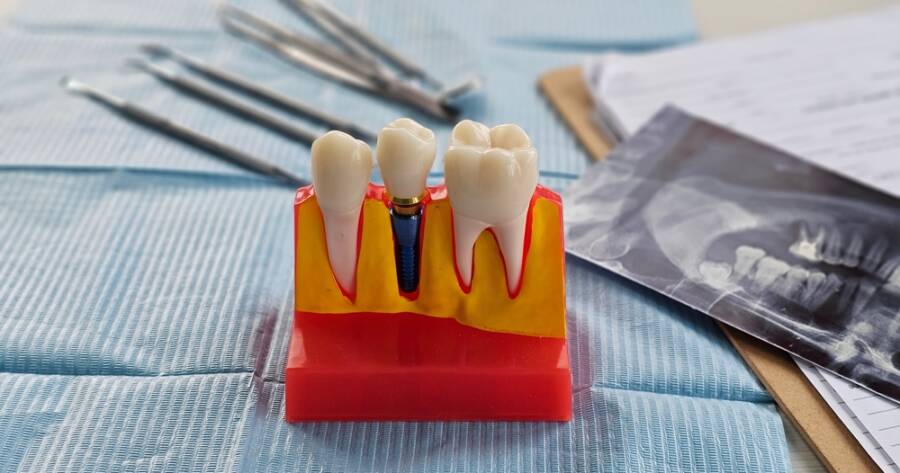
Dental implants are a popular solution for replacing missing teeth and restoring a natural-looking smile. They are designed to function like real teeth, offering strength, stability, and long-term durability. Many people choose implants not only for appearance but also for improved comfort, better chewing ability, and overall oral health support.
Understanding Dental Implants
Dental implants are a revolutionary solution in the field of dental restoration, offering a long-term and stable option for replacing missing teeth. They function as artificial tooth roots, integrating seamlessly with the jawbone to provide a natural look and feel.
This makes them an ideal choice for individuals with sufficient bone density or those who can undergo bone grafting. With proper care, dental implants can last for decades, making them a durable investment in oral health (source).
Benefits of Dental Restoration
Improved Oral Functions
Dental restoration is crucial for maintaining oral health and functionality. It addresses issues such as injury, decay, and missing teeth through various procedures, including dental fillings, crowns, bridges, and implants (source).
These restorative treatments not only improve oral function, allowing for natural chewing, speaking, and biting, but also enhance the aesthetic appearance of teeth, boosting confidence and social interactions.
Long-Term Bone Health Benefits
One of the key advantages of dental implants is their ability to support long-term bone health. When a tooth is lost, the jawbone in that area can begin to shrink over time due to lack of stimulation. Implants act like natural tooth roots, helping maintain bone structure and preventing the gradual loss that can change facial shape and weaken the jaw.
This added support not only preserves the strength of the jaw but also helps keep surrounding teeth stable. By maintaining proper alignment and spacing, dental implants contribute to overall oral balance and reduce the risk of further dental issues developing in the future.
Daily Comfort and Ease of Maintenance
Dental implants are designed to feel like natural teeth, which makes them comfortable for everyday use. Unlike removable dentures, they stay firmly in place, so there is no need to worry about slipping or shifting while eating or speaking. This stability allows people to enjoy a wider range of foods and speak with confidence in social situations.
Caring for dental implants is also simple and similar to maintaining natural teeth. Regular brushing, flossing, and routine dental checkups are usually enough to keep them in good condition. This ease of maintenance makes implants a convenient and practical option for long-term dental care.
Types of Dental Restoration Procedures
There are several types of dental restoration procedures available, each tailored to specific dental issues. Dental fillings are used for cavities, crowns for severely damaged teeth, bridges and dentures for missing teeth, and implants for permanent tooth replacement (source).
Each procedure aims to restore both the function and appearance of teeth, thereby maintaining oral health. Dental implants, in particular, are highlighted as the best option for permanent tooth replacement, offering a natural look, feel, and function.
Choosing the Right Dental Restoration Option
Choosing the right dental restoration option depends on various factors, including the extent of dental damage, personal preferences, and budget. Traditional dentures remain a viable solution for those seeking an affordable or non-surgical option for tooth loss (source).
However, they may shift over time as the jawbone changes. Implant-supported dentures offer a more stable and comfortable alternative by anchoring to implants in the jawbone, reducing slipping and improving chewing efficiency.
Why You Should Learn More About Dental Implants
Understanding the various dental restoration options available is essential for making informed decisions about oral health. Dental implants, in particular, offer a durable and natural-looking solution for tooth replacement, enhancing both function and aesthetics.
By consulting with an experienced dentist, individuals can explore personalized treatment plans that cater to their unique needs, ensuring lasting and comfortable results. Staying informed about dental health and restoration options can significantly improve one’s quality of life, boosting confidence and overall well-being.