

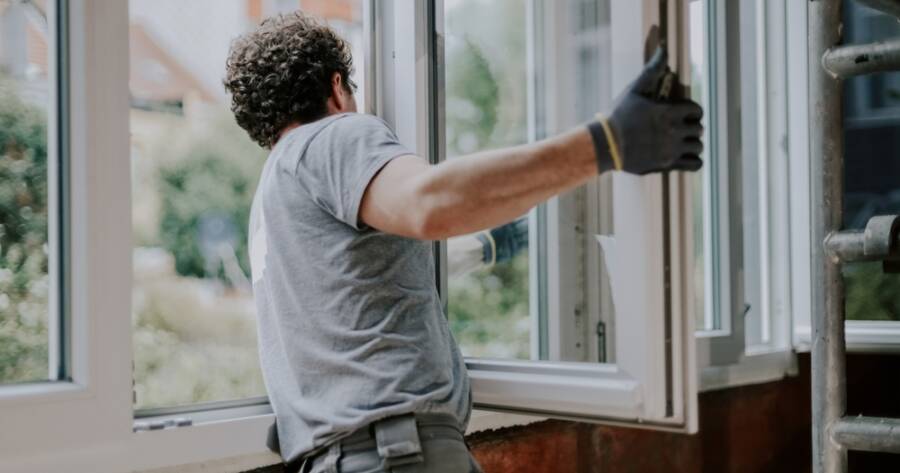
Home repairs can become expensive quickly, especially when damage affects major systems or structural areas. Fortunately, homeowners may have access to federal loans, local assistance programs, and other financing options that can make necessary work more manageable. Understanding what support is available can help property owners plan repairs, compare resources, and avoid delaying important maintenance.
Understanding Home Damage Types and Repair Needs
Home damage encompasses a wide range of issues that can compromise structural integrity, safety, and property value. Common damage types include foundation problems, roof deterioration, plumbing failures, electrical system malfunctions, and weather-related destruction. Each category presents unique challenges that require specific expertise and resources to address effectively.
Recognizing damage early often prevents minor issues from escalating into major expenses. Regular inspections help identify problems such as water intrusion, pest infestations, and material deterioration before they cause extensive harm. Homeowners should remain vigilant about signs like cracks in walls, water stains, unusual sounds, or changes in energy efficiency that may indicate underlying problems requiring professional attention.
Federal Home Repair Assistance Programs
HUD supports several programs that can help eligible homeowners pay for repairs or property improvements. Qualification requirements can vary depending on factors such as household circumstances, the type of home, and where the property is located (source). These programs provide critical financial support for homeowners who need to address repair issues but may lack sufficient resources to fund projects independently.
Two HUD-backed financing options for home improvement projects are the Title 1 Property Improvement Loan program and the FHA 203(k) rehabilitation mortgage program. The HUD Title 1 property improvement loan program and 203(k) rehabilitation mortgage insurance program are available nationwide for home repairs and improvements (source). These programs serve as valuable resources for addressing everything from minor repairs to major rehabilitation projects.
Title 1 Property Improvement Loans
The Title 1 program provides accessible financing for homeowners seeking to make property improvements and necessary repairs (source). This loan option offers flexibility for various project types and sizes, making it suitable for addressing immediate maintenance needs or planned renovations. Homeowners can utilize these funds for structural repairs, system replacements, and improvements that enhance property functionality and safety.
Working with approved lenders ensures proper program administration and consumer protection. Homeowners using these programs should confirm that the lender is approved by HUD and carefully review contractor estimates before agreeing to any work. Taking these steps can reduce the risk of questionable pricing or other problems during the project (source). This safeguard protects homeowners from predatory practices and ensures projects meet quality standards.
The 203(k) Rehabilitation Mortgage Program
The 203(k) rehabilitation program serves homeowners requiring more extensive repairs or renovations by combining purchase or refinance financing with improvement costs (source). This comprehensive approach enables property owners to address significant structural issues, outdated systems, or major upgrades through a single mortgage product. The program particularly benefits those purchasing properties needing substantial work or existing homeowners planning comprehensive renovations.
This financing option streamlines the renovation process by eliminating the need for separate construction loans or home equity borrowing. Homeowners can address multiple repair needs simultaneously, potentially reducing overall project costs and completion timeframes while improving property conditions comprehensively.
Specialized Assistance for Specific Populations
Additional repair assistance may be available through programs designed for particular communities, including rural homeowners, military families, and eligible Native American households (source). These targeted programs recognize unique housing challenges faced by particular communities and provide tailored support to address those specific needs.
Home Equity Conversion Mortgages are available for seniors to finance home repairs and improvements (source). This option enables older homeowners to maintain their properties and age in place safely by accessing home equity without requiring monthly mortgage payments. Such programs help seniors address critical repairs that might otherwise be financially prohibitive on fixed incomes.
Community-Based Repair Resources
Home improvement assistance is available through federal loan programs, community-based programs like HOME and Community Development Block Grant Program, and specialized programs for Native Americans and rural homeowners (source). These local resources often complement federal programs by providing additional funding sources, technical assistance, and community-specific support networks.
Community programs frequently address regional housing challenges and priorities, offering services ranging from weatherization assistance to emergency repair grants. Local housing agencies, nonprofit organizations, and municipal governments administer these programs, making them accessible through neighborhood offices and community centers that understand area-specific housing conditions and needs.
Protecting Against Contractor Fraud
HUD has documented past cases in which dishonest contractors used poor workmanship, inaccurate paperwork, and excessive charges in connection with home improvement projects, highlighting the importance of carefully vetting anyone hired for repairs (source). This history underscores the importance of due diligence when selecting contractors and the value of working through approved lending channels that provide oversight and accountability.
Homeowners can protect themselves by verifying contractor licenses, checking references, obtaining multiple estimates, and reviewing contracts carefully before signing. Working with HUD-approved lenders adds another layer of protection by ensuring contractors meet program standards and follow proper procedures. Never rush into repair agreements, particularly when contractors pressure homeowners into immediate decisions or offer deals that seem unusually advantageous.
Planning and Budgeting for Home Repairs
Effective repair planning involves assessing property conditions, prioritizing projects based on urgency and impact, and developing realistic budgets that account for materials, labor, and contingencies. Homeowners benefit from obtaining professional inspections that identify existing problems and anticipated maintenance needs, enabling informed decision-making about repair timing and scope.
Financial planning for home repairs should consider available assistance programs, personal savings, and financing options suitable for project scale and homeowner circumstances. Understanding program eligibility requirements, application processes, and timeline expectations helps homeowners access resources efficiently and avoid unnecessary delays in addressing critical repair needs.
Why You Should Learn More About Home Repair Assistance Today
Understanding available home repair resources empowers property owners to address damage promptly and maintain housing quality throughout ownership. Federal assistance programs provide valuable financial support that makes necessary repairs accessible to homeowners across various income levels and circumstances. Whether addressing immediate damage, planning preventive maintenance, or undertaking comprehensive renovations, knowing about Title 1 loans, 203(k) rehabilitation programs, and community-based assistance options creates pathways to property protection that might otherwise seem financially unattainable.
Specialized programs for seniors, veterans, rural residents, and other populations ensure targeted support reaches those with unique housing challenges. Working with approved lenders and understanding consumer protections safeguards against fraud while facilitating quality repairs. Taking time to research available programs, assess property needs, and develop comprehensive repair plans positions homeowners to maintain safe, functional, and valuable properties for years to come.