

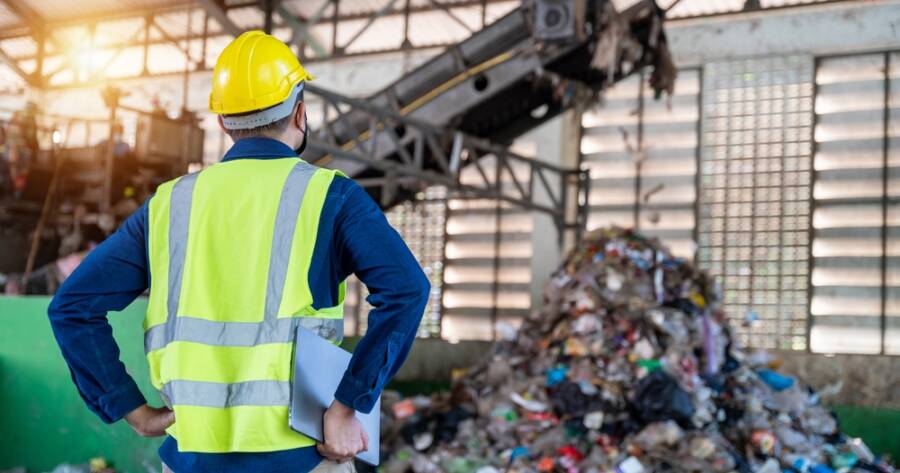
Waste collection plays a pivotal role in modern society, ensuring urban environments remain clean and sustainable. Beyond mere trash pickup, various professionals manage waste efficiently, adhere to environmental regulations, and contribute to public health. It’s important to understand the essential skills, career opportunities, and growing importance of waste management.
The Role of Waste Collection in Modern Society
Waste collection is a critical component of modern urban living, ensuring that communities remain clean, safe, and environmentally sustainable. Sanitation workers, often the unsung heroes of urban management, are responsible for collecting garbage and recyclables from residential and commercial locations daily (source). This task is not only about maintaining cleanliness but also about managing waste efficiently to prevent environmental degradation.
Beyond sanitation workers, the waste management industry includes roles such as operations managers, environmental compliance specialists, engineers, consultants, and hazardous waste technicians who oversee systems, ensure regulations are followed, and improve efficiency. It also involves recycling coordinators, landfill operators, educators, and logistics planners who support waste processing, public awareness, and the safe handling of materials across the entire system.
Responsibilities of Waste Collection Professionals
The responsibilities of waste collection professionals extend beyond merely picking up trash. They must transport and dispose of waste safely at approved dump sites, adhering to protocols for different waste types. This includes ensuring recyclables like glass, paper, and plastic are properly separated to facilitate effective recycling processes. Additionally, they handle the collection of large items, such as furniture and electronic devices, ensuring these are disposed of correctly (source).
Garbage collectors play a crucial role in maintaining public health by removing waste from homes, businesses, and public spaces. Their work ensures that communities remain clean and safe. They must follow local, state, and federal regulations regarding waste disposal, ensuring that waste is delivered to designated facilities in compliance with environmental rules (source).
Skills and Qualifications Required
Sanitation workers must possess a commercial driver’s license, knowledge of proper lifting techniques, and experience with hazardous materials to perform their duties effectively. Physical fitness, strength, and the ability to endure tough working conditions are essential traits for these workers. They also need to be punctual and work well in teams to ensure the smooth operation of waste collection services (source).
In addition to physical skills, waste management professionals often require a background in engineering or environmental science, especially for higher-level positions. These roles involve overseeing and coordinating waste disposal, refuse collection, and recycling activities in an efficient and environmentally-friendly manner. They are also responsible for developing procedures for the safe disposal of hazardous waste and implementing recycling programs to reduce landfill usage (source).
Career Opportunities in Waste Management
The field of waste management offers diverse career opportunities, ranging from managerial and consulting positions to roles in industrial hazardous waste management and educational outreach. Career progression can lead to supervisory roles or positions such as Operations Manager or Environmental Compliance Specialist (source). These roles focus on optimizing waste management processes and ensuring compliance with environmental policies.
Moreover, the industry is projected to grow significantly, driven by the need for sustainable waste management solutions and the desire to protect the environment. This growth is reflected in the substantial financial rewards available, with median salaries for managers reaching over $100,000 (source).
Why You Should Learn More About Waste Collection Today
Understanding the roles and responsibilities of waste collection professionals is crucial for appreciating the importance of this industry in maintaining public health and environmental sustainability.
As urban areas continue to grow, the demand for efficient waste management solutions will only increase. By learning more about waste collection, individuals can contribute to more sustainable practices and support the professionals who work tirelessly to keep communities clean and safe.