

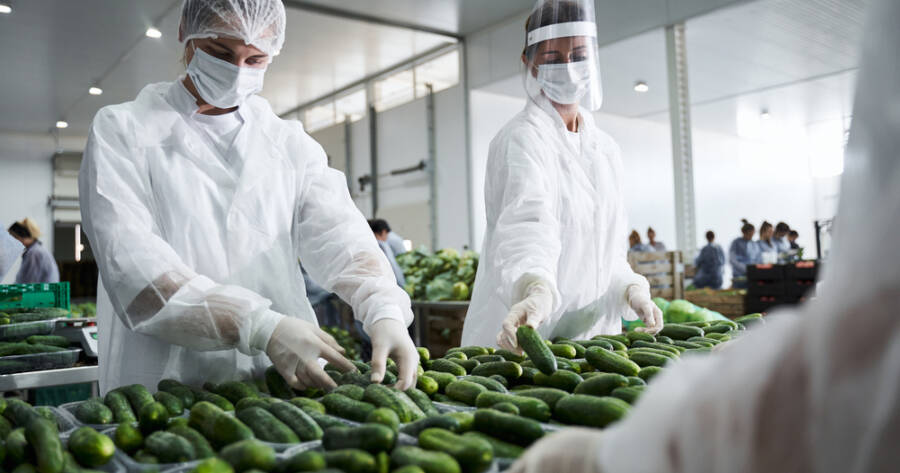
Food packaging is a critical link between production and the consumer’s table, shaping how products are protected, preserved, and presented. Understanding what food packers actually do reveals a profession that blends physical skill, technical knowledge, and regulatory awareness in one of the nation’s most essential industries.
The Core Role of a Food Packer
At its most fundamental level, a food packer is responsible for preparing and packaging a wide range of food products for distribution and sale. This includes items as varied as beverages, raw meats, and fully prepared meals. The job involves placing products into appropriate containers, securing them with materials such as packaging tape or protective wraps, and ensuring that each package is ready to withstand the rigors of shipping without damage (source).
While the physical tasks are central, food packers also carry responsibility for product integrity. Every item that leaves a packaging line must meet quality standards, which means workers must stay attentive throughout their shifts, inspecting packages for defects, ensuring proper sealing, and confirming that contents are correctly portioned and labeled.
What Food Packaging Actually Involves
Packaging in the food industry is far more than placing a product in a box. It serves multiple simultaneous functions: shielding the product from contamination, extending its shelf life, and communicating vital details to consumers and retailers alike (source). Labeling, for instance, is a significant component of the packaging process. Labels carry nutritional data, ingredient disclosures, and other information required under federal law—making accuracy in labeling both a consumer service and a legal obligation (source).
The materials used across food packaging operations span a broad spectrum. Plastics, metals, glass, and paper all serve different purposes depending on the product type and shelf-life requirements. In recent years, demand for environmentally responsible packaging materials has risen steadily, with sustainable options becoming a growing part of the industry’s approach (source).
Tools and Equipment on the Packaging Floor
Food packers regularly operate a variety of tools and machinery. On many packaging floors, workers use forklifts to transport and arrange loaded pallets, hand trucks to shift boxes between stations, and box cutters for handling cardboard materials. Packing tape dispensers keep assembly lines moving efficiently, while label printers generate the shipping and inventory tags that track products from facility to destination (source).
Operating this equipment safely and accurately requires training and situational awareness. Many employers provide on-the-job instruction, but workers who arrive with prior experience in manufacturing or warehouse environments often find the transition smoother. Physical stamina is equally important—packaging roles typically involve standing for extended periods, repetitive motion, and occasionally lifting heavy loads.
Job Titles and Career Paths in Food Packaging
The food packaging sector supports a range of professional roles beyond the entry-level packer position. Titles such as Packaging Coordinator, Packaging Operator, Packaging Specialist, Packaging Line Inspector, Packaging Technician, and Packaging Engineer reflect the variety of responsibilities distributed across a typical operation (source). Each role carries a distinct focus, from hands-on line work to quality assurance oversight or engineering-level design and process improvement.
Career advancement within food packaging often follows a trajectory from floor-level positions into supervisory or technical roles. Workers who develop expertise in equipment maintenance, regulatory compliance, or production efficiency frequently find opportunities to move into higher-responsibility positions. Formal education in food science, engineering, or supply chain management can accelerate this progression, though many professionals build their careers through accumulated experience.
The Industry’s Earning Potential and Growth Trajectory
Food packaging as a profession offers steady compensation with defined pay ranges depending on geography and specialization. Annual earnings for food packagers span from entry-level to experienced tiers, with states including Alaska, New Jersey, and California ranking among the highest-paying locations for this type of work (source). The occupation is not only financially viable but also structurally stable—projections indicate that thousands of new food packager positions will be created over the coming years, driven by expansion across the global food packaging market (source).
The broader market context reinforces this outlook. Demand for packaged food products continues to grow alongside population increases, urbanization, and shifting consumer habits that favor convenience. This creates sustained hiring need across all levels of the packaging workforce, from seasonal line workers to full-time specialists.
Why You Should Learn More About Food Packaging Careers Today
Food packers occupy a vital position in the food supply chain, handling the physical and logistical work that ensures products reach consumers safely and accurately. The profession spans everything from direct hands-on packaging tasks to technical roles involving compliance, engineering, and process management. With a growing market, diverse job titles, and clear pathways for career development, food packaging represents a stable and evolving sector of the U.S. food industry. Whether someone is exploring entry-level opportunities or considering a longer-term career in food manufacturing, understanding the full scope of what food packers do is a meaningful first step toward making an informed decision about this field.