

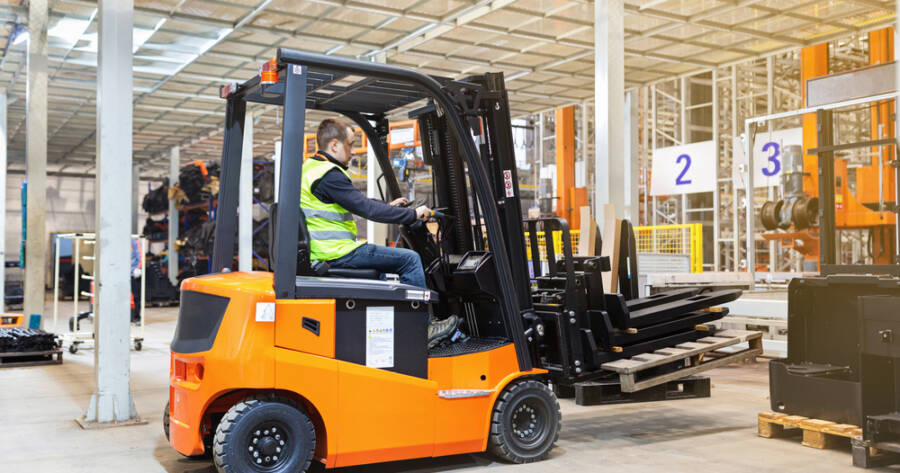
Forklift operators are pivotal in the logistics and supply chain sectors, ensuring the seamless movement of goods across various settings. Their responsibilities encompass material transportation, quality assurance, and adherence to safety protocols. With essential skills and qualifications, individuals can embark on a fulfilling career, contributing significantly to operational efficiency and safety in diverse industries.
Understanding the Role of a Forklift Operator
Forklift operators play a crucial role in the logistics and supply chain industry. They are responsible for a variety of tasks that ensure the smooth flow of goods within a facility. These tasks include loading, unloading, shipping, and receiving warehouse items, which are essential for maintaining the flow of goods (source). Forklift operators work in diverse settings such as warehouses, factories, railroad freight centers, ports, and construction sites, making them indispensable logistical workers (source).
Key Responsibilities and Skills
The primary responsibilities of forklift operators include transporting materials to different locations within the facility, ensuring that operations run smoothly and efficiently. They must optimize loads to ensure operational efficiency, which involves securing loads to the machine before transportation to prevent accidents and damage (source). Additionally, forklift operators are tasked with quality assurance duties such as reporting product damage and shortages, using RF scanning equipment for inventory tracking, and preparing goods for transport by shrink-wrapping or securing them (source).
Essential skills for a forklift operator include excellent communication, digital processing skills for inventory tracking, strong organizational and time management abilities, problem-solving skills, and attention to detail. The ability to work well under pressure is also crucial (source). Operators must also have excellent hand-eye coordination, be in good physical condition, and possess mathematical aptitude, along with good written and verbal communication skills (source).
Safety and Maintenance
Safety is a critical aspect of a forklift operator’s role. Operators are required to perform pre-shift equipment inspections, adhere to OSHA safety guidelines, maintain safe speeds, and report hazards or equipment defects. They must also keep work areas clean and orderly (source). Regular inspection for damages to vehicles and scheduling them for maintenance and repairs are essential duties to ensure the longevity and safety of the equipment (source).
Qualifications and Training
To become a forklift operator, candidates typically need a high school diploma or GED, a valid forklift certificate, and proficiency in operating technical machinery and RF scanners. In many states, a valid driver’s license and certification for forklift or heavy machinery operation are required (source). While previous experience as a forklift operator is not mandatory, candidates should have experience in a factory or warehouse setting and understand day-to-day operations in these environments (source).
Why You Should Learn More About Forklift Jobs Today
Understanding the role and responsibilities of a forklift operator is essential for anyone considering a career in logistics and supply chain management. Forklift operators are vital to the efficient movement of goods and materials, ensuring that operations run smoothly across various industries.
With the right skills and qualifications, individuals can pursue a rewarding career in this field, contributing to the safety and efficiency of warehouse and industrial operations. Learning more about forklift jobs can open up opportunities for growth and advancement in a dynamic and essential industry.