

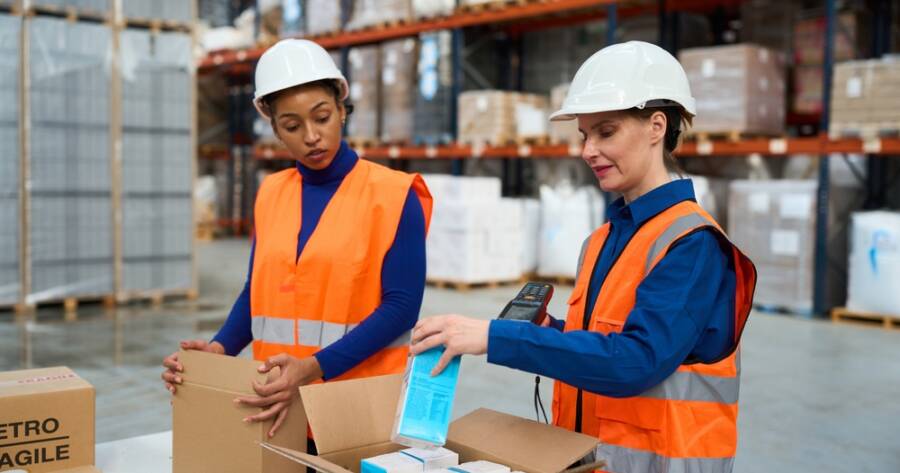
Packing workers are a vital part of the logistics industry, handling everything from product inspection and precise measurement to safe shipment preparation — roles that keep supply chains moving and customer orders arriving in good condition.
The Core Responsibilities of Packing Workers
At the heart of logistics operations, packing workers carry out a range of hands-on tasks that directly affect whether products reach customers safely and on time. Their daily duties extend well beyond simply placing items into boxes. Packing workers are responsible for preparing finished products for packaging and shipment by verifying that all ordered items are present, securing them according to company standards, and loading goods onto pallets ready for transport (source).
A major portion of the job involves measuring, weighing, and counting products and materials, as well as recording product, packaging, and order information on designated forms (source). Accurate recordkeeping is not optional — packing workers are expected to maintain thorough documentation of all materials that move through the warehouse, creating accountability at every step of the process (source).
Quality Control and Inspection Duties
One of the most important functions packing workers perform is quality inspection. Before any item moves further down the supply chain, packing workers examine and inspect containers, materials, and products to confirm that quality standards and packing specifications have been met (source). This step prevents defective or substandard goods from reaching end customers.
Beyond general inspection, packing workers are also responsible for identifying and removing defective items before shipment (source). This quality gate function protects both businesses and consumers, reducing the likelihood of costly returns, complaints, and wasted resources. By catching problems early, packing workers play a direct role in maintaining a company’s reputation and operational efficiency.
Tools, Materials, and Hands-On Skills
Performing packing duties effectively requires familiarity with a variety of tools and materials. Workers in this field regularly use packaging supplies such as hand tools, glues, nails, and padding materials to properly secure and protect products during storage and transit (source). Each type of product may require a different approach, meaning packing workers must adapt their technique based on item fragility, size, and destination requirements.
Physical endurance and attention to detail are also central to the role. Packing work typically takes place in warehouse or production environments where workers spend extended periods on their feet, handling materials and operating within strict workflow timelines. The ability to work efficiently while maintaining accuracy is a key skill in this occupation.
Safety Practices in the Packing Environment
Safety is a consistent priority in packing and packaging roles. The physical nature of the work — involving heavy materials, sharp tools, and fast-moving production lines — means that protective gear is a standard part of the job. In fact, 82% of packers and packagers report wearing common protective or safety equipment such as safety shoes, glasses, and gloves every day (source).
Employers in the logistics sector establish specific safety protocols that packing workers are expected to follow closely. These guidelines govern everything from how materials are stored and handled to how machinery is operated. Consistent adherence to safety practices reduces workplace injuries and helps maintain a productive, compliant environment.
Employment Landscape for Packing Workers
Packing and packaging roles represent a significant portion of the logistics workforce in the United States. As of 2024, approximately 591,800 individuals are employed in packing and packaging positions, with projected job openings of 74,000 between 2024 and 2034 (source). This steady demand reflects the ongoing need for reliable fulfillment workers across industries including manufacturing, retail distribution, food processing, and e-commerce.
The median annual wage for packing workers stands at $36,280, reflecting the entry-level to semi-skilled nature of many positions while also acknowledging the essential function these workers serve within broader supply chain operations (source). For many workers, packing roles serve as a starting point within logistics, offering opportunities to build experience, learn warehouse systems, and advance into supervisory or specialized positions over time.
Why You Should Learn More About Packing Roles in Logistics Today
Packing workers perform far more than a single repetitive task — they inspect products, maintain detailed records, enforce quality standards, and ensure safe shipment preparation across countless industries. Their work forms a critical foundation within logistics and supply chain operations nationwide. The demand for skilled, reliable packing workers continues to grow, making this an occupation worth understanding whether from a workforce, hiring, or operational perspective. A deeper understanding of what packing workers actually do reveals just how integral their contributions are to keeping goods flowing smoothly from warehouses to customers every day.