

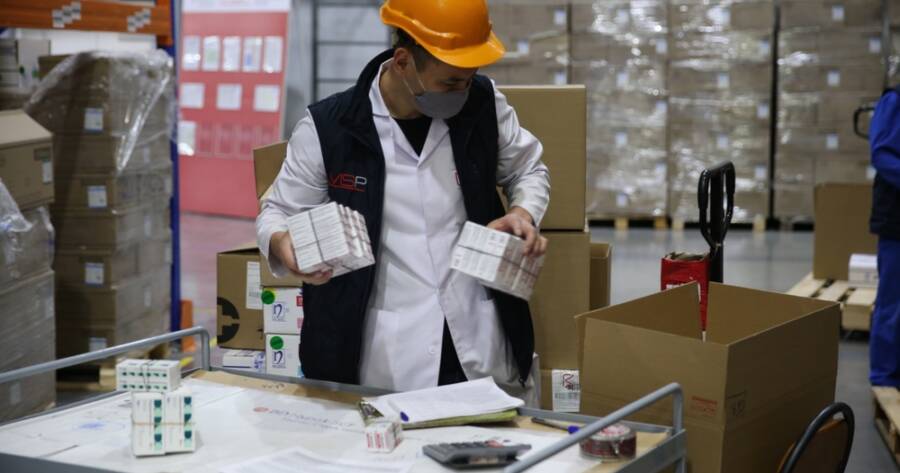
Pharmaceutical warehouse workers play an important role in protecting medication quality as products move from manufacturers to healthcare providers. Their responsibilities go far beyond packing boxes, involving inventory control, order accuracy, regulatory compliance, storage conditions, and detailed tracking systems. Understanding what warehouse professionals do reveals the careful processes required to keep medicines safe, organized, and ready for distribution.
Core Responsibilities in Pharmaceutical Storage Facilities
Pharmaceutical warehouse packers perform a wide range of essential duties within specialized storage facilities. Pharmaceutical warehouse workers may handle a variety of inventory tasks, including collecting materials needed for production and organizing completed pharmaceutical products in their assigned storage locations (source). Their work extends beyond simple storage tasks, encompassing the systematic handling, storing, and distribution of pharmaceutical products, ensuring their availability, safety, and quality throughout the supply chain (source).
A typical shift may involve preparing customer or facility orders, reviewing shipment documentation, and confirming that incoming products match the information listed on accompanying paperwork. Careful verification helps reduce inventory mistakes and ensures the correct medications and supplies move through the distribution process (source). This attention to detail ensures that healthcare providers receive exactly what they ordered, reducing errors that could potentially impact patient care and safety.
Inventory Management and Tracking Systems
Modern pharmaceutical warehouse packers utilize sophisticated technology to maintain accurate records and track product movement. Associates use RF scanners to track inventory and manage stock movement while supporting general warehouse organization (source). This technological integration allows pharmaceutical warehouses to employ advanced inventory management techniques to track the movement of drugs accurately and facilitate timely distribution to pharmacies, hospitals, and other healthcare facilities (source).
Critical inventory management activities performed by warehouse packers include receiving and inspecting incoming shipments, storing and labeling products in designated areas, monitoring inventory levels and expiration dates, and picking and packing orders for shipment (source). These tasks require precision and consistency to maintain the integrity of pharmaceutical supply chains.
Quality Control and Regulatory Compliance
Pharmaceutical warehouse packers must adhere to strict regulatory standards that govern the pharmaceutical industry. These facilities adhere to strict regulatory requirements, including Good Manufacturing Practice (GMP), Good Distribution Practice (GDP), and Good Warehousing Practice (GWP) to maintain quality control (source). Workers must report any shortages, damages, or discrepancies and adhere to safety and compliance regulations (source).
The commitment to quality extends to every aspect of warehouse operations. Warehouses implement rigorous quality control measures and follow regulatory guidelines set by authorities such as the FDA to maintain high standards of product quality and safety (source). This regulatory framework ensures that pharmaceutical products maintain their efficacy and safety from the point of manufacture through distribution to end users.
Specialized Storage and Environmental Controls
Pharmaceutical warehouses are specialized storage facilities that safely store pharmaceutical products, including medications, vaccines, and other health-related items, playing a critical role in ensuring quality and safety (source). Warehouse packers work within these controlled environments that protect medications from adverse conditions such as extreme temperatures, humidity, light, and contamination to prevent degradation or spoilage of drugs (source).
The specialized nature of pharmaceutical warehousing requires packers to understand the unique storage requirements of different medication types. Temperature-sensitive products, vaccines, and other biologics demand particular attention to environmental conditions, making the role of warehouse packers critical in maintaining product integrity throughout the storage and distribution process.
Traceability and Batch Management
One of the most critical aspects of pharmaceutical warehouse packing involves maintaining detailed records for traceability purposes. Maintaining batch information allows pharmaceutical companies and distributors to follow products throughout the supply chain. These records support quality control efforts, help identify affected products during recalls, and make it easier to monitor important details such as expiration dates (source). This meticulous record-keeping allows for rapid response in the event of product recalls or quality concerns, protecting patient safety and maintaining public health standards.
Why You Should Learn More About Pharmaceutical Warehousing Today
Understanding the role of pharmaceutical warehouse workers provides valuable insight into the complex systems that protect medication quality and patient safety. These professionals serve as critical gatekeepers in the pharmaceutical supply chain, ensuring that every product moving through the warehouse meets exacting standards for storage, handling, and distribution. Their work combines technical skills with regulatory knowledge, creating a foundation for reliable pharmaceutical distribution.
The pharmaceutical industry continues to grow and evolve, with warehouse operations becoming increasingly sophisticated through technology integration and enhanced quality control measures. As healthcare systems worldwide depend on efficient pharmaceutical distribution networks, the importance of skilled warehouse packers becomes more apparent. Learning about these operations illuminates the careful coordination required to maintain drug safety and efficacy from manufacturing facilities to patient care settings, highlighting an often-overlooked but essential component of modern healthcare delivery.