

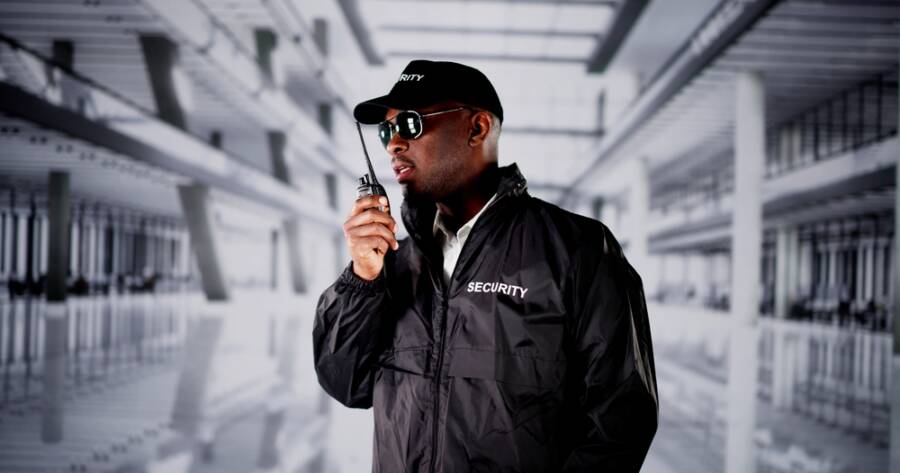
Security guards serve as a critical line of defense across countless industries, taking on responsibilities that range far beyond simply standing watch. Understanding what they actually do reveals the depth and complexity of this essential profession.
The Core Mission of a Security Guard
At the heart of the security guard role is a commitment to protecting people, property, and assets. Security guards guard, patrol, or monitor premises to prevent theft, violence, or infractions of rules, and may operate x-ray and metal detector equipment (source). This fundamental mission shapes everything else a guard does throughout a shift, from the moment they arrive on-site to the moment they hand over to the next watch.
The primary duty of security officers is to protect the safety of personnel, property, and company assets through routine checks, risk assessments, and constant vigilance to prevent security breaches (source). While this sounds straightforward, carrying it out effectively demands a wide range of skills and a strong situational awareness that develops over time through training and experience.
Patrol, Inspection, and Active Deterrence
One of the most visible aspects of the job involves routine movement through a protected area. Core tasks include patrolling industrial or commercial premises, locking doors and gates, answering alarms, investigating disturbances, and circulating among visitors to preserve order and protect property (source). These patrols are not merely procedural—they serve a powerful deterrent function, signaling to would-be offenders that the area is actively monitored.
Regular patrols and inspections are a core function, helping officers identify security vulnerabilities, deter criminal activities, maintain situational awareness, and check security systems (source). By moving through a facility on a consistent schedule—or an unpredictable one designed to prevent pattern exploitation—security guards can catch issues before they escalate into serious incidents. Checking that doors are properly secured, ensuring that emergency exits remain accessible, and verifying that surveillance equipment is functioning all fall under this umbrella.
Access Control and Entry Management
Controlling who enters and exits a facility is another major responsibility that security officers manage on a daily basis. Security officers are responsible for monitoring and controlling access to buildings and restricted areas, including checking identification, verifying credentials, and managing entry points to prevent unauthorized access (source).
This function is especially important in environments such as corporate offices, government buildings, hospitals, warehouses, and event venues, where sensitive information or valuable materials require tight oversight. A security guard operating at an access point must make quick, accurate judgments about who belongs on the premises, cross-referencing visitor logs, employee credentials, or clearance levels as needed. These decisions carry real consequences, making attention to detail and steady composure essential qualities for anyone in the role.
Responding to Alarms and Emergencies
Security guards are frequently the first responders when alarms trigger or unexpected events unfold. Whether it involves a fire alarm, a medical emergency, a disturbance, or a potential intrusion, guards are trained to assess the situation rapidly and take appropriate action. This may mean contacting emergency services, guiding occupants to safety, or neutralizing a threat through de-escalation techniques.
The high-stakes nature of this responsibility is reflected in industry data—95% of security guards report having very high responsibility for the health and safety of other workers, and 95% report that dealing with the public is extremely important (source). This dual focus on safety and public interaction means guards must remain calm under pressure while still engaging with people in a professional and reassuring manner.
Documentation and Incident Reporting
Beyond the physical and interactive aspects of the role, security guards also carry significant administrative responsibilities. Security officers maintain accurate incident reports documenting observations and security breaches, which support investigative purposes and help analyze patterns of security threats for future mitigation (source).
Thorough documentation creates a paper trail that law enforcement, legal teams, and facility managers can rely upon when evaluating incidents. A well-written incident report can make the difference between resolving a dispute quickly and allowing it to drag on for months. Guards who develop strong writing and observation skills bring added value to the organizations they serve, turning every shift into a documented record of activity.
Training, Entry Requirements, and Career Context
Many people are surprised to learn how accessible the security profession is in terms of entry requirements. The role typically requires a high school diploma with a few days to one year of on-the-job training, and the median wage for security guards in 2025 is $18.28 hourly ($38,020 annually) (source). This relatively low barrier to entry, combined with steady demand across industries, makes security guard work an appealing starting point for many people entering the workforce or transitioning between careers.
That said, the breadth of what security guards are expected to handle means that employers increasingly value guards who go beyond the minimum requirements. Experience with surveillance technology, first aid certification, conflict resolution training, and knowledge of local laws all enhance a guard’s effectiveness and career prospects. The security industry rewards those who treat the role as a genuine profession rather than a temporary position.
Why You Should Learn More About Security Guards Today
Security guards occupy a far more demanding and multifaceted role than many people realize. From deterring criminal activity through active patrols and access management to responding to emergencies and maintaining detailed incident records, their contributions keep businesses, public spaces, and individuals safer every day. The profession demands sharp judgment, strong communication skills, and a consistent focus on the well-being of others. Whether someone is considering a career in security or simply wants to understand the people protecting their workplace, taking a closer look at what security guards actually do offers a new appreciation for this vital industry.