

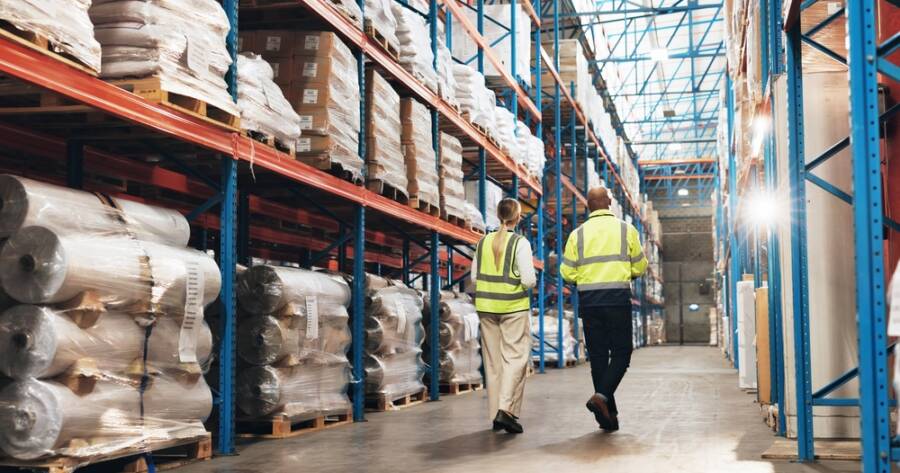
Warehouse workers form the backbone of the modern logistics industry, keeping goods moving from suppliers to consumers with precision and speed. Understanding what these professionals do—and how their roles are structured—reveals just how complex and essential this work truly is.
The Core Role of a Warehouse Worker
At its most fundamental level, a warehouse worker is responsible for the physical movement, storage, and tracking of goods within a distribution center or fulfillment facility (source). This broad definition, however, barely scratches the surface of what the job actually entails on a daily basis.
When shipments arrive at a facility, warehouse workers are the first to act. They unload incoming freight, verify paperwork, and inspect each delivery for damaged or missing items (source). This receiving process is critical because errors caught early prevent costly downstream problems—whether that means a retailer receiving the wrong product or a customer waiting on a delayed order.
After goods are received and cleared, warehouse workers move them into organized storage locations. Accurate placement matters enormously: items must be catalogued and stored in a way that allows fast, reliable retrieval later. Many facilities rely on warehouse management systems (WMS) such as Oracle WMS, and warehouse workers are often responsible for entering both incoming and outgoing inventory data into these platforms (source).
Order Fulfillment and Shipping
When customers place orders, warehouse workers shift into fulfillment mode. Picking and packing are two of the most time-sensitive tasks in the entire operation. Workers locate specific items throughout the warehouse, transport them to a packing station, and prepare them for outbound shipment—all while maintaining accuracy and speed (source).
Operating equipment is a major part of this workflow. Forklifts, pallet jacks, and RF scanners are standard tools that warehouse workers use to move large quantities of goods efficiently (source). Forklift operation in particular requires specialized certification, which places those workers in a higher-skilled category within the workforce.
How Warehouse Roles Are Organized
The warehouse workforce is typically divided into three distinct levels, each requiring a different degree of experience and expertise (source). Entry-level positions—such as package handlers, stockers, and loaders—form the largest portion of the workforce and are where most new employees begin their careers. These roles focus on physical tasks like unloading trucks, moving pallets, and stocking shelves.
Above entry-level positions are specialized roles that demand specific certifications or technical knowledge. Forklift operators, order selectors, and inventory clerks fall into this category (source). These workers handle more complex responsibilities and typically earn higher wages to reflect their additional qualifications.
At the top of the warehouse hierarchy sit supervisory and management positions. Lead hands, warehouse specialists, and warehouse managers are responsible for overseeing daily operations, coordinating staff schedules, managing inventory accuracy, and ensuring productivity targets are met (source). These roles require strong leadership and organizational skills in addition to hands-on warehouse experience.
Compensation Across Warehouse Roles
Warehouse worker pay varies considerably depending on the role, skill level, and location. Entry-level positions in 2026 generally start in the range of $16 to $18 per hour, while certified forklift operators and skilled specialists typically earn between $20 and $25 per hour (source). For warehouse supervisors and managers, annual salaries frequently range from $55,000 to upwards of $95,000 (source).
Across all warehouse positions, the average hourly rate sits at approximately $18.20, though individual pay can range from well below $10 to over $32 per hour depending on experience and specialization (source). These figures reflect a labor market that rewards skill, certification, and reliability.
The Broader Logistics Picture
Warehouse work does not exist in isolation—it is one essential link in a much larger supply chain. Distribution centers and fulfillment facilities serve as the critical hubs where goods transition from bulk storage to individual orders headed for doorsteps across the country. Without skilled warehouse workers managing every step of that process, the entire logistics system slows down.
Employment in this sector is also expected to grow. The U.S. Bureau of Labor Statistics projects that jobs for hand laborers and material movers will increase by roughly 4% between 2024 and 2034, with the median annual wage for that group recorded at $37,680 as of May 2024 (source). This trajectory points to consistent demand for warehouse professionals across the country.
Why You Should Learn More About Warehouse Careers Today
Warehouse workers play a far more intricate role in logistics than their job titles might suggest. From unloading freight and managing inventory data to operating heavy equipment and overseeing entire distribution operations, these professionals keep supply chains functioning at every level. Career paths in warehousing range from accessible entry-level roles to well-compensated management positions, making the field a practical and rewarding option for a wide range of job seekers. The combination of growing employment projections, diverse role structures, and competitive pay across skill levels makes warehouse work one of the more stable and opportunity-rich sectors in the United States labor market today.