

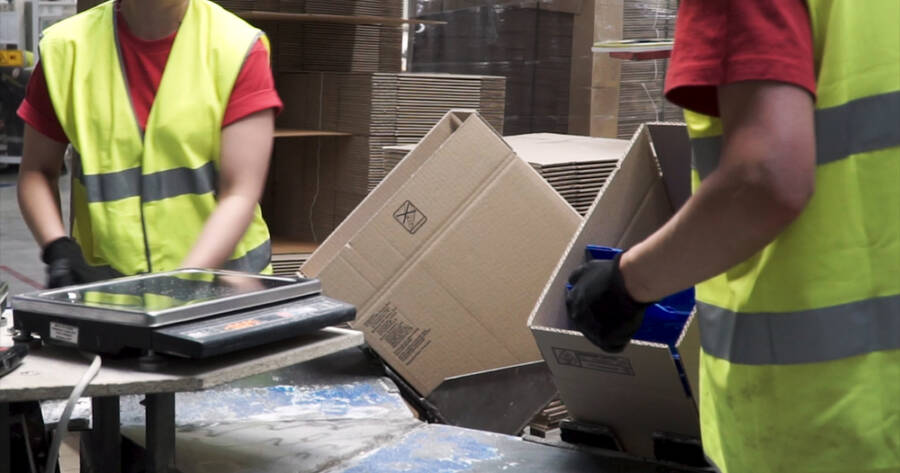
The evolving landscape of warehouse logistics is reshaping the U.S. labor market, driven by factors like reshoring, e-commerce growth, and digital transformation. As demand surges for roles such as warehouse associates and automation engineers, knowing key positions and their career paths becomes crucial. Understand the opportunities and advancements that shape the warehouse logistics industry.
The Growing Demand for Warehouse Logistics Roles in 2026
The U.S. labor market for manufacturing and logistics is undergoing significant changes, driven by reshoring, infrastructure investments, e-commerce expansion, and the integration of AI and digital transformation. These factors are contributing to a tightening labor market, particularly in warehouse logistics and supply chain operations (source).
As a result, there is a growing demand for roles such as warehouse associates, forklift operators, and material handlers. These positions are crucial for handling, organizing, and preparing goods for shipping, as well as moving materials efficiently within warehousing environments.
Key Roles in Warehouse Logistics
Warehouse associates are responsible for managing incoming and outgoing goods, preparing customer orders, and maintaining inventory data. Typically, a high school diploma and on-the-job training are required, with opportunities for advancement into roles like Warehouse Manager or Team Lead (source). Forklift operators, on the other hand, are essential in logistics, requiring experience with various forklifts and potentially a certification. This role offers an average hourly wage of $24.50, with career progression into supervisory roles or specialized areas like inventory control (source).
Material handlers play a key role in warehouse operations by moving products, operating heavy machinery, and managing inventory. The position offers an average hourly wage of $23 and opportunities for advancement into supervisory roles or inventory management (source). Additionally, logistics drivers are vital for transportation, responsible for loading and unloading shipments and maintaining vehicle safety. The role offers an average hourly wage of $31.10, with potential career paths into management roles (source).
The Role of Automation in Warehouse Logistics
Automation is playing an increasingly important role in warehouse logistics, with positions such as Automation Engineers becoming more prevalent. These engineers support site maintenance teams to ensure the operational performance and efficiency of Material Handling Equipment (MHE) control systems. This includes troubleshooting and maintaining equipment such as conveyors, sortation systems, and control cabinets (source). Automation Engineers are also responsible for promoting a safe working environment by adhering to safety procedures and providing guidance on maintaining various control systems.
The position requires technical expertise in troubleshooting and modifying software projects for material handling control systems, utilizing platforms like Allen Bradley ControlLogix and CompactLogix PLC, and managing industrial networks such as Ethernet and ControlNet. Automation Engineers act as the first level of escalation support for equipment automation issues, working with vendors and network support teams to restore equipment operation and maximize building utilization of systems.
Opportunities in Warehouse Automation and Logistics
CrimsonXT Automation is a recruitment firm specializing in connecting professionals with companies in the automation, intralogistics, and robotics industries across the United States. They focus on roles related to warehouse automation, autonomous mobile robotics, material handling, and supply chain automation (source). The company offers a variety of job opportunities, including on-site, blended, and remote positions for roles such as Senior Product Manager, Senior Program Manager, Sales Manager, Head of Sales, Sales Director, and VP of Sales.
Although there are currently no vacancies listed, candidates are encouraged to upload their CVs to be considered for future opportunities, with the promise of contact from specialized recruitment specialists when suitable roles become available. This highlights the growing importance of automation in warehouse logistics and the need for skilled professionals in this field.
Why You Should Learn More About Warehouse Services
The landscape of warehouse logistics and automation is rapidly evolving, with significant opportunities for career growth and advancement. As the demand for skilled professionals in these areas continues to rise, understanding the roles and responsibilities within warehouse logistics can provide a competitive edge in the job market.
Whether interested in hands-on roles like warehouse associates and forklift operators or technical positions such as Automation Engineers, there are numerous pathways to explore. By staying informed about industry trends and developments, individuals can position themselves for success in the dynamic field of warehouse logistics and automation.